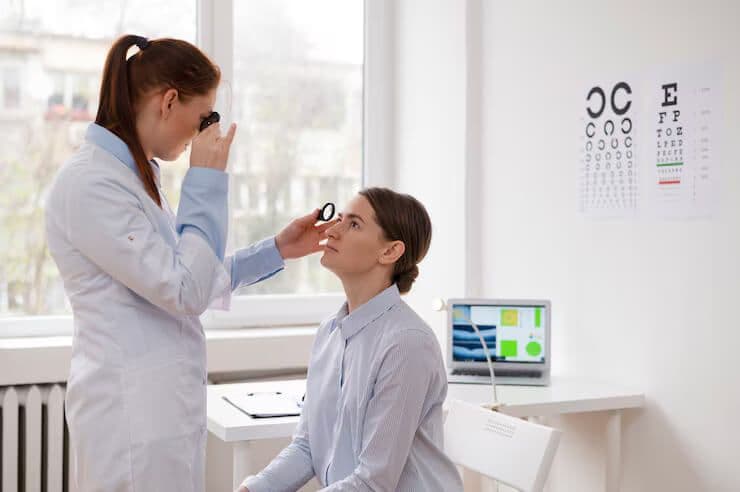
A Clear Comparison for Austin Patients Considering Cataract Surgery
Cataracts have a way of sneaking up on you. One day you are squinting at road signs on I-35, the next you are avoiding night driving because headlights feel too bright and everything looks hazy. Colors lose their crispness, small print becomes frustrating, and even updated glasses stop helping. When it is time for cataract surgery, many Austin patients quickly run into the next big question: should you choose standard cataract surgery or upgrade to premium cataract surgery?
Both procedures remove the cloudy lens and repla ce it with a clear implant. The difference is what you want your vision to look like afterward. Standard cataract surgery is typically designed to restore clear vision at one primary distance. Premium cataract surgery uses advanced lens options and more customized planning to improve how you see across more parts of your day, often with the goal of reducing dependence on glasses. This guide explains the real differences, who each option is best for, and what to ask during your Austin cataract consultation so you can make a decision you feel good about.
What “standard” cataract surgery usually means
Standard cataract surgery typically uses a monofocal intraocular lens (IOL). A monofocal lens is designed to give you clear vision at one primary distance. Most people choose to target distance vision because it helps with driving and everyday tasks, but it also means you will likely still need glasses for reading and close-up work.
Standard surgery is a great fit for many patients because it is predictable and effective. It is often the right choice if you are comfortable wearing reading glasses, or if you prefer a simpler approach that focuses on restoring clear distance vision.
What makes cataract surgery “premium”
Premium cataract surgery usually means you are choosing an advanced lens option, or adding steps that help correct vision issues beyond the cataract itself. The goal is not just to see clearly again, but to see clearly across more situations, like reading a menu, working at a computer, or driving at night, depending on the lens type and your eyes. Premium planning often includes more customized measurements and lens selection based on your lifestyle. For many Austin patients, this comes down to how much time you spend on a computer, how important night driving is, and how much you want to reduce dependence on glasses.
Premium lens options, explained simply
Many premium choices fall into three main categories. Toric lenses are designed for people with astigmatism. If you have astigmatism, a standard monofocal lens may still leave you needing glasses to get your sharpest distance vision. A toric lens can help correct that astigmatism, which can reduce how often you need glasses for distance tasks. EDOF lenses, which stands for extended depth of focus, are designed to improve range of vision.
Many people with EDOF lenses enjoy strong distance and intermediate vision, which can be helpful for activities like computer work, cooking, shopping, and watching TV. Some patients still need reading glasses for small print, but they often feel more functional without glasses throughout the day. Multifocal lenses are designed to provide both distance and near vision. They can be a good fit for patients who strongly want to reduce reading glasses, but they are not ideal for everyone. Some people notice halos or glare around lights at night, especially early on. A thorough evaluation helps determine if your eyes are a good match for this type of lens.
Why Austin patients often consider premium options
Austin is an active city, and vision needs tend to be practical and specific. Many people want to feel confident driving on Mopac or I-35, reading signs clearly, and staying comfortable during long workdays at a computer. Others care about seeing well for outdoor activities, golf, hiking, or time on Lady Bird Lake. Because lifestyle demands are high, a lot of patients want a plan that goes beyond restoring clarity and focuses on quality of life after surgery.
Who may be a good fit for premium cataract surgery
Premium options can be a strong fit if you want to reduce glasses dependence, especially for daily activities. They can also be helpful if you have astigmatism and want sharper unaided distance vision, or if you rely heavily on intermediate vision for work and hobbies.
That said, premium does not automatically mean better for every person. The right choice depends on your eyes, your expectations, and your tolerance for potential tradeoffs. For example, if night driving is a top priority, your doctor may guide you toward lens types that are less likely to create glare or halos.
Who may be better suited for standard cataract surgery
Standard cataract surgery may be the best fit if you are comfortable wearing glasses for reading or close work, or if you prefer a straightforward approach with clear expectations. It can also be a better option if certain eye health factors make premium lenses less predictable. Many patients choose standard and are extremely happy, especially when their main goal is to restore clear distance vision and they do not mind readers.
Cost and insurance questions
In many cases, insurance and Medicare cover standard cataract surgery because it is medically necessary. Premium lenses or premium planning components often involve additional out-of-pocket cost. Instead of focusing only on price, it helps to focus on value. Ask what is included, what kind of lens is recommended for your goals, and what your realistic outcome will be for driving, reading, and computer work.
Questions to ask at your cataract consultation in Austin
A helpful consultation is one where you leave with clear expectations. Ask what lens options match your routine, whether you have astigmatism, and what type of vision range you can realistically expect. It is also smart to ask what tradeoffs exist, especially related to night driving, and whether you will still need glasses for certain tasks even with a premium lens.
Choosing the right option
The best cataract surgery plan is the one that matches your eyes and your lifestyle. Premium cataract surgery can be a great fit if you want a broader range of vision and fewer glasses for everyday life. Standard cataract surgery remains an excellent choice if you want restored clarity and are comfortable using glasses for reading or close work. If you are considering cataract surgery in Austin, a personalized evaluation and measurements are the quickest way to understand which approach fits your goals and what results you can realistically expect.