Shedding Light on Diabetic Eye Disease Awareness
Scott Webb • November 27, 2023

Empowering November: Taking Charge of Diabetic Eye Health

Step into November with Hill Country Eye Center as we extend an invitation to champion awareness for the crucial significance of maintaining optimal eye health for individuals managing diabetes. This blog post will navigate through the intricacies of diabetic eye disease, shedding light on its causes, diverse types, prevention strategies, and effective management. Our focus remains on underscoring the paramount importance of early detection and timely intervention.


Understanding Diabetic Eye Disease:


  • Decoding Diabetic Eye Disease: Explore the realm of diabetic eye disease, a cluster of eye conditions impacting individuals with diabetes, ranging from diabetic retinopathy, diabetic macular edema, cataracts, to glaucoma.


  • The Impact of Diabetes on Vision: Uncover how elevated blood sugar levels can adversely affect the delicate blood vessels in the retina, potentially leading to vision challenges. Additionally, discover how diabetes heightens the susceptibility to developing cataracts and glaucoma.


Types of Diabetic Eye Disease:


  • Insights into Diabetic Retinopathy: The most prevalent form, diabetic retinopathy manifests when the blood vessels in the retina sustain damage, potentially resulting in vision loss. Early identification and intervention are pivotal.


  • Navigating Diabetic Macular Edema: As a complication of diabetic retinopathy, this condition triggers swelling in the macula, the central region of the retina responsible for sharp vision. Learn how timely treatment can avert vision loss.


  • Cataracts and Glaucoma: Delve into the increased likelihood of individuals with diabetes developing cataracts and glaucoma. Discover how regular eye examinations and effective diabetes management can diminish the risk of these conditions

.

Prevention and Management:


  • Fending Off Diabetic Eye Disease: Uncover proactive measures such as maintaining optimal blood sugar levels, adhering to a wholesome diet, incorporating regular exercise, steering clear of smoking, and safeguarding eyes from UV rays and injury.


  • Embracing Lifestyle Adjustments: Explore the positive impact of adopting a balanced diet, incorporating regular exercise, and managing medication to mitigate the risk of diabetic eye disease. Consultation with healthcare providers is encouraged for tailored advice.


  • Strategies for Diabetes Management and Eye Health: Understand the critical role of proper diabetes management, encompassing regular monitoring of blood sugar levels and adherence to prescribed medications, in preventing potential eye complications.


Importance of Early Detection and Treatment:


  • Advantages of Early Identification: Highlighting the merits of early detection, this section emphasizes how prompt treatment reduces the risk of vision loss and related complications.


  • Regular Eye Exams and Screenings: Advocating for annual comprehensive eye exams for individuals with diabetes, supplemented by additional screenings based on individual risk factors.

  • Navigating Treatment Options: Delve into various treatment choices, ranging from medication to laser therapy and surgery, contingent on the specific condition and severity. Trust your eye care professional to chart the most fitting treatment plan for your unique needs.


Statistics and Impact:

  • Global Reach of Diabetic Eye Disease: Uncover the widespread impact of diabetic eye disease, affecting millions globally and standing as a primary cause of vision loss. Statistics reveal that diabetic retinopathy affects approximately one in three individuals with diabetes over the age of 40, while diabetic macular edema impacts about one in ten.


Take Action Today:

  • Amplify Awareness: Be an advocate by spreading awareness about diabetic eye disease and the critical role of regular eye exams within your social circles and community.


  • Embrace a Healthy Lifestyle: Adopt a lifestyle that prioritizes health, making choices that prevent diabetes and effectively manage blood sugar levels. Recognize that a healthy lifestyle extends its benefits to overall health, including the well-being of your eyes.


In the spirit of empowerment and collective action, let's elevate awareness, deepen our understanding of risks, and embrace preventive measures to alleviate the impact of diabetic eye disease. Regular eye exams, early detection, and timely intervention stand as the cornerstones for maintaining optimal vision and a high quality of life for individuals managing diabetes. Join us in making a meaningful difference this November!

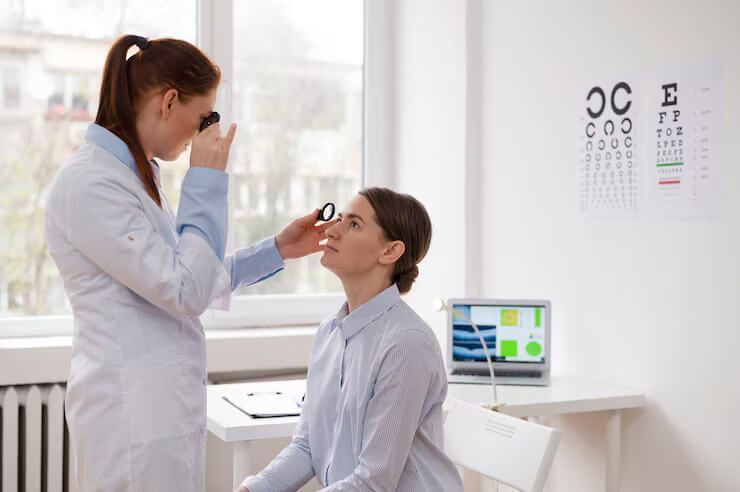
By DPA Admin January 19, 2026
Tired of fumbling for glasses every morning or squinting at Austin's road signs? Imagine soaking in sunset hikes at Barton Springs – spectacle-free! Hill Country Eye Centre's premium refractive eye surgery can make it happen. Our expert team tailors cutting-edge solutions to provide comprehensive eye care. We offer LASIK, glaucoma management, dry eye treatment, diabetic eye exams, and general ophthalmology services. Visit the clinic for any queries regarding your Austin eye surgery procedure. Before Austin eye surgery , you can ask about your concerns regarding recovery time, the surgery cost, post-surgery care, etc. Questions to Ask Before Your Austin Eye Surgery 1. Am I Fit for Eye Surgery, LASIK, RLE, or Cataract Surgery in Austin? You are thinking about whether you are a good fit! You can ask your ophthalmologist. Factors like corneal thickness, eye health, age, and conditions like dry eyes or thin corneas play a role. A comprehensive exam can determine your suitability. In case your ophthalmologist identifies any health issue or pre-existing eye condition, they will disqualify you for surgery. 2. Who will Perform My Eye Surgery? Visit The Hill Country Eye Centre and meet your surgeon! Look for fellowship-trained ophthalmologists with successful procedures. Experience matters, so ask about their track record. Our surgeons have a high success rate for restoring visibility and performing surgical operations effectively. At the Hill Country Eye Centre, we are proud to have some of the best surgeons in Texas. ● Dr Vincent A. Restivo, M.D. - The Board-certified ophthalmologist ● Nathan E. Osterman, O.D. - The Certified therapeutic optometrist and glaucoma specialist in Texas ● Dr Todd R. Shepler - Experienced in reconstructive and oculoplastic surgery ● Dr Chelsea Devitt - Optometric glaucoma and therapeutic optometry specialist in Austin 3. Do I have Other Health Conditions that Can Rule out Austin Eye Surgery or Affect Results? Yes. Definitely ask about conditions that might affect surgery. Some health issues can rule out Austin eye surgery or require treatment first. These include ● Autoimmune Diseases ● Diabetes ● Immunodeficiency States ● Eye Injuries ● Dry Eyes ● Eye Inflammation ● Corneal Scaring ● Glaucoma ● Cataracts ● Ocular Herpes ● Retinal Diseases 4. Is Eye Surgery, Cataract or LASIK Safe? What are the Risks? LASIK surgery is a quick and pain-free procedure that takes around 15 minutes for both eyes. You can see results within 24 hours! In fact, 99% of patients at Hill Country Eye Centre reported being satisfied with the results. Cataract surgery, while not 100% risk-free, is a highly effective and secure solution with incredible success rates. Now, let's talk about risks. Minor complications can include infection, bleeding, or dry eyes, but they're rare. Discuss personal risks with your doctor. 5. What Results Can I Realistically Expect? Ask your most desirable expectation, the magic number! When will you get a complete clear vision and return to regular life after Austin eye surgery ? Most patients enjoy improved, clear vision within a few days after surgery. At the same time, LASIK patients achieve 20/20 vision, while cataract patients enjoy gradual improvement with premium IOLs. 6. What will the Procedure be like for Clear Vision? If your doctor suggests cataract surgery , ask your doctor: ● Which procedure suits your case? ● Will they use a laser in the procedure? ● How long will it last? ● Will you be awake during the entire eye surgery procedure? 7. How Long Does the Procedure and Recovery Take? It is tricky to answer the exact time. Usually, eye surgery such as LASIK... LASIK takes 15 minutes, while cataract surgery takes 30 minutes. Some patients begin to notice clear vision within a week. But some of them report complete restoration of eyesight within 1 month. Individual patients are different, so you all have different progress timelines after surgery. Recovery is quick, but you must follow appointments, doctor appointments at Hill Country Eye Centre, to take advice. 8. What Alternatives or Enhancements are Available? Explore your Austin eye surgery options! If LASIK isn't for you, consider Photorefractive Keratectomy (PRK), or Laser Epithelial Keratomileusis (LASEK). Your surgeon can discuss tailored solutions. The PRK process takes a little longer to achieve the best vision. Our advanced professionals cater to the unique needs of every patient in the Boston area. At Hill Country Eye Centre, doctors will guide you through the selection process of your treatment. 9. What is the Total Price, Including Follow-Ups? Get the price breakdown! Costs vary by procedure and tech, but transparent pricing and insurance coverage can help. 10. What Post-Surgery Care and Follow-Ups Do You Provide? Expect regular check-ups, antibiotic drops, and protective eyewear. Our doctors guide you for post-surgery care. ● For 5-7 Days: Report better vision progressively ● Initial 2 Weeks: The doctor will guide you and prescribe antibiotics and anti-inflammatory eye drops. Wear glasses and protective shields during the day and night. ● Preliminary 2 Months: For now, avoid scratching your eyes
By DPA Admin January 16, 2026
What are the Most Common Signs and Symptoms of Cataract?
November 20, 2025
Cataracts have a way of sneaking up on you. One day you are squinting at road signs on I-35, the next you are avoiding night driving because headlights feel too bright and everything looks hazy. Colors lose their crispness, small print becomes frustrating, and even updated glasses stop helping. When it is time for cataract surgery, many Austin patients quickly run into the next big question: should you choose standard cataract surgery or upgrade to premium cataract surgery? Both procedures remove the cloudy lens and repla ce it with a clear implant. The difference is what you want your vision to look like afterward. Standard cataract surgery is typically designed to restore clear vision at one primary distance. Premium cataract surgery uses advanced lens options and more customized planning to improve how you see across more parts of your day, often with the goal of reducing dependence on glasses. This guide explains the real differences, who each option is best for, and what to ask during your Austin cataract consultation so you can make a decision you feel good about.
premium refractive eye surgery
By DPA Admin September 22, 2025
Explore how premium refractive eye surgery offers sharper vision, faster recovery, and freedom from glasses. Learn if it's the right choice for your eyes.
allergic conjunctivitis
By Journey Saucedo July 17, 2025
Learn about seasonal allergic conjunctivitis—its symptoms, triggers, and how to treat itchy, watery eyes caused by pollen and other seasonal allergens.
Skip Annual Eye Exams
June 25, 2025
Missing your yearly eye exam can lead to vision loss, glaucoma, and more. Discover the health risks and why early detection is so important.
Eye surgeon performing a cataract procedure
By DPA Admin May 13, 2025
Cataract surgery can restore clear vision, boost confidence, and help you enjoy daily activities again. Learn how it transforms your quality of life.
When Is It Time for Cataract Surgery
April 22, 2025
Wondering if it’s time for cataract surgery? Learn the key signs and expert insights from Austin eye specialists to help you make the right decision.
 Best Cataract Surgeon in Cedar Park
March 24, 2025
Learn about cataracts, their early signs like blurry vision and halos, and when to consider surgery. Discover expert care at Hill Country Eye Center in Cedar Park for clearer vision.
eye exam
February 28, 2025
Learn what cataract evaluation is, its importance, and how it helps detect and treat vision problems early for better eye health.