Blurry Vision? 7 Common Signs and Symptoms of Cataracts Explained
DPA Admin • January 16, 2026
Are you struggling with blurry vision? Is it one of the major signs and symptoms of cataracts? If yes, it needs immediate medical attention. 
 
At Hill Country Eye Centre, you can personalize your eye treatment services to protect, improve and preserve your vision. We are prioritizing routine eye care to identify and treat eye problems like corneal disorders, cataracts or macular degeneration. Each year, our doctors perform more than 1.5 million cataract surgeries with a 90% success rate of clear vision. 

From faded colors, night driving woes, to light sensitivity, all are cataract symptoms that call for clinical action. Visit our Austin Clinic for expert care and experience to improve the quality of life with vision.

What are the Most Common Signs and Symptoms of Cataract?


Cataracts form slowly, so signs and symptoms of cataract start gradually until the patient faces distortion in vision. Early symptoms include difficulty seeing bright colors, night vision, and sharp images becoming foggy, cloudy or blurry. 


1.Blurry Vision


One of the primary cataract symptoms is cloudy or blurred vision. You start seeing a hazy vision, making daily activities difficult, such as using a computer, reading fine print on a restaurant menu, or highway signs while driving.


2. Nighttime Vision Problem


Difficulty with night vision is another symptom. You may find it hard to see at night, and it may feel like a loss of light. It's dangerous to move around or drive if everything appears dark or much dimmer. 


This cataract symptom is extremely dangerous for an elderly person who depends on their eyesight for regular activities.


3. Fading of Color Vision 


Yellowing or fading of colors is one of the most problematic signs and symptoms of cataracts. Patients begin to see a shift in color vibrancy. For example, white appears beige or grey, and blue can appear green. It becomes hard to detect the color tone until you treat your cataract.


4. Light Sensitivity


Sensitivity to light is another symptom. In the starting phase of this eye issue, bright colors become intolerable. You may feel discomfort from street lights, sunlight, or headlights, particularly while driving at night.


5. Frequent Changes in Eyeglass Power


Frequently changing contact lenses or eyeglasses power is another common cataract symptom. Regular alterations in prescriptions are a serious sign and symptom of cataracts, and seeking medical help is advised.


6. Double Vision in One Eye


Are you seeing a single object as more than one image or double in one eye only? 

This double vision detects another sign and symptom of cataract that appears when a cataract develops.


7. Halos Around Light


When a cataract develops, patients see circular, rainbow-like rings of light surrounding a particular bright light, such as a car headlight or street lamp. These cataract symptoms cause risks for night driving or blindness, which is dangerous and needs immediate treatment.


What are the Risk Factors for Cataracts?

Ageing is another risk factor for having cataracts. According to many experts, proteins in the eyes start breaking down around the age of 40, but patients notice cataract symptoms at 60 or later.   


Environmental Risk Factors 


We usually intake toxic substances while breathing or ingesting. We ingest or breathe some toxic substances that are harmful to our bodies. 

Environmental factors increase the amount of free radicals and damage healthy cells in our eyes. It leads to cataract formation. Environmental risk factors include:


  • Smoke
  • Alcohol
  • Air toxins
  • Pesticides
  • Industrial chemicals
  • Long-term UV exposure
  • Radiation therapy history
  • Medical Factors


Medical risk factors can raise your risk for cataracts. These include 

If you have high diabetes

Certain eye surgeries, such as glaucoma

Eye diseases, like uveitis, retinitis pigments

Long-term corticosteroid use for other health issues, like arthritis 


Genetics Risk 


Age-related cataracts can arise due to genetic risk factors. Genetic mutations make our lenses more vulnerable to damage from medical or environmental risk factors.  So, what are the risk factors? Read Below


  • Previous eye inflammation or injury, 
  • Arising from previous Eye surgery
  • A family history of cataracts


How to Treat Cataract Safely? 


Surgery is the only way to reduce cataract symptoms and improve your vision. 


1. Phacoemulsification 

A tiny incision surgery is the most common clinical approach to remove cataracts. 

In this process, a tiny cut is made near the outer edge of your eye, and a small device utilizes ultrasound waves. 

It breaks up the hard, cloudy area of the dense lens, and the instrument removes the remaining lens material through the incision.


2. Extracapsular Cataract Extraction (Extracapsular Surgery) 


This clinical procedure can help you with better vision. 

  • During this surgery, the doctor opens a larger section on the upper part of your eye, removes the cloudy lens,
  • At Hill Country Eye Centre, our experts carefully insert an intraocular lens (IOL) through the same cut. 
  • Extra capsular surgery lets light pass clearly to the retina and improves vision.


We recommend that patients who undergo cataract surgery protect their eyes from the sun. Carry sunglasses and wear glasses with anti-UV coating. Most importantly, take care of your eyes regularly. 
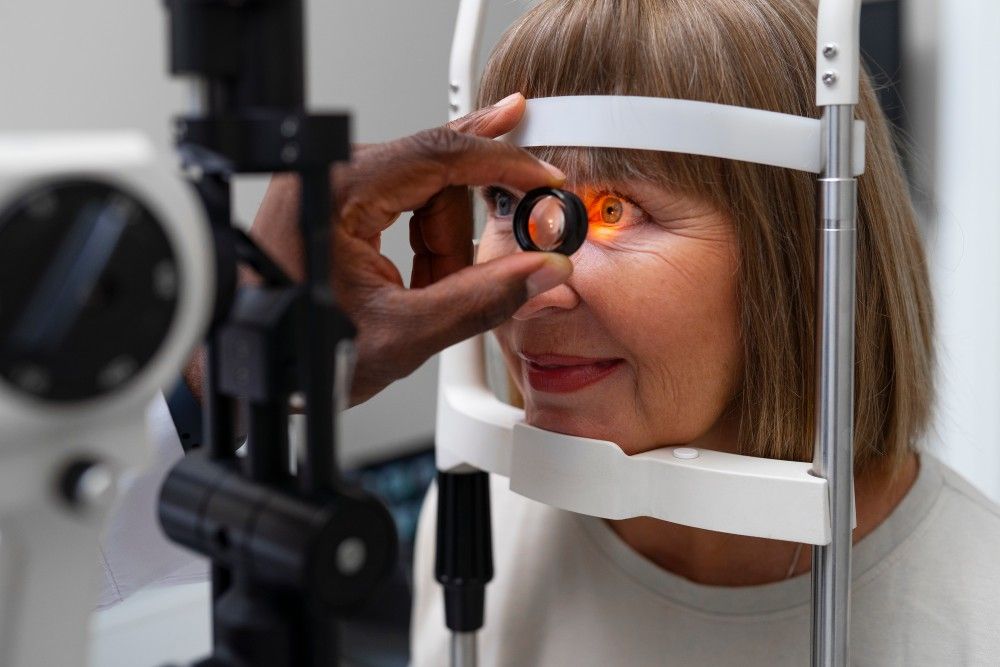

You can schedule a doctor appointment online to improve vision within a few days after surgery. Visit the Hill Country Eye Centre and book your appointment to get clinical advice to improve cataract symptoms and keep your e yes safe. 
By DPA Admin January 19, 2026
Tired of fumbling for glasses every morning or squinting at Austin's road signs? Imagine soaking in sunset hikes at Barton Springs – spectacle-free! Hill Country Eye Centre's premium refractive eye surgery can make it happen. Our expert team tailors cutting-edge solutions to provide comprehensive eye care. We offer LASIK, glaucoma management, dry eye treatment, diabetic eye exams, and general ophthalmology services. Visit the clinic for any queries regarding your Austin eye surgery procedure. Before Austin eye surgery , you can ask about your concerns regarding recovery time, the surgery cost, post-surgery care, etc. Questions to Ask Before Your Austin Eye Surgery 1. Am I Fit for Eye Surgery, LASIK, RLE, or Cataract Surgery in Austin? You are thinking about whether you are a good fit! You can ask your ophthalmologist. Factors like corneal thickness, eye health, age, and conditions like dry eyes or thin corneas play a role. A comprehensive exam can determine your suitability. In case your ophthalmologist identifies any health issue or pre-existing eye condition, they will disqualify you for surgery. 2. Who will Perform My Eye Surgery? Visit The Hill Country Eye Centre and meet your surgeon! Look for fellowship-trained ophthalmologists with successful procedures. Experience matters, so ask about their track record. Our surgeons have a high success rate for restoring visibility and performing surgical operations effectively. At the Hill Country Eye Centre, we are proud to have some of the best surgeons in Texas. ● Dr Vincent A. Restivo, M.D. - The Board-certified ophthalmologist ● Nathan E. Osterman, O.D. - The Certified therapeutic optometrist and glaucoma specialist in Texas ● Dr Todd R. Shepler - Experienced in reconstructive and oculoplastic surgery ● Dr Chelsea Devitt - Optometric glaucoma and therapeutic optometry specialist in Austin 3. Do I have Other Health Conditions that Can Rule out Austin Eye Surgery or Affect Results? Yes. Definitely ask about conditions that might affect surgery. Some health issues can rule out Austin eye surgery or require treatment first. These include ● Autoimmune Diseases ● Diabetes ● Immunodeficiency States ● Eye Injuries ● Dry Eyes ● Eye Inflammation ● Corneal Scaring ● Glaucoma ● Cataracts ● Ocular Herpes ● Retinal Diseases 4. Is Eye Surgery, Cataract or LASIK Safe? What are the Risks? LASIK surgery is a quick and pain-free procedure that takes around 15 minutes for both eyes. You can see results within 24 hours! In fact, 99% of patients at Hill Country Eye Centre reported being satisfied with the results. Cataract surgery, while not 100% risk-free, is a highly effective and secure solution with incredible success rates. Now, let's talk about risks. Minor complications can include infection, bleeding, or dry eyes, but they're rare. Discuss personal risks with your doctor. 5. What Results Can I Realistically Expect? Ask your most desirable expectation, the magic number! When will you get a complete clear vision and return to regular life after Austin eye surgery ? Most patients enjoy improved, clear vision within a few days after surgery. At the same time, LASIK patients achieve 20/20 vision, while cataract patients enjoy gradual improvement with premium IOLs. 6. What will the Procedure be like for Clear Vision? If your doctor suggests cataract surgery , ask your doctor: ● Which procedure suits your case? ● Will they use a laser in the procedure? ● How long will it last? ● Will you be awake during the entire eye surgery procedure? 7. How Long Does the Procedure and Recovery Take? It is tricky to answer the exact time. Usually, eye surgery such as LASIK... LASIK takes 15 minutes, while cataract surgery takes 30 minutes. Some patients begin to notice clear vision within a week. But some of them report complete restoration of eyesight within 1 month. Individual patients are different, so you all have different progress timelines after surgery. Recovery is quick, but you must follow appointments, doctor appointments at Hill Country Eye Centre, to take advice. 8. What Alternatives or Enhancements are Available? Explore your Austin eye surgery options! If LASIK isn't for you, consider Photorefractive Keratectomy (PRK), or Laser Epithelial Keratomileusis (LASEK). Your surgeon can discuss tailored solutions. The PRK process takes a little longer to achieve the best vision. Our advanced professionals cater to the unique needs of every patient in the Boston area. At Hill Country Eye Centre, doctors will guide you through the selection process of your treatment. 9. What is the Total Price, Including Follow-Ups? Get the price breakdown! Costs vary by procedure and tech, but transparent pricing and insurance coverage can help. 10. What Post-Surgery Care and Follow-Ups Do You Provide? Expect regular check-ups, antibiotic drops, and protective eyewear. Our doctors guide you for post-surgery care. ● For 5-7 Days: Report better vision progressively ● Initial 2 Weeks: The doctor will guide you and prescribe antibiotics and anti-inflammatory eye drops. Wear glasses and protective shields during the day and night. ● Preliminary 2 Months: For now, avoid scratching your eyes
November 20, 2025
Cataracts have a way of sneaking up on you. One day you are squinting at road signs on I-35, the next you are avoiding night driving because headlights feel too bright and everything looks hazy. Colors lose their crispness, small print becomes frustrating, and even updated glasses stop helping. When it is time for cataract surgery, many Austin patients quickly run into the next big question: should you choose standard cataract surgery or upgrade to premium cataract surgery? Both procedures remove the cloudy lens and repla ce it with a clear implant. The difference is what you want your vision to look like afterward. Standard cataract surgery is typically designed to restore clear vision at one primary distance. Premium cataract surgery uses advanced lens options and more customized planning to improve how you see across more parts of your day, often with the goal of reducing dependence on glasses. This guide explains the real differences, who each option is best for, and what to ask during your Austin cataract consultation so you can make a decision you feel good about.
premium refractive eye surgery
By DPA Admin September 22, 2025
Explore how premium refractive eye surgery offers sharper vision, faster recovery, and freedom from glasses. Learn if it's the right choice for your eyes.
allergic conjunctivitis
By Journey Saucedo July 17, 2025
Learn about seasonal allergic conjunctivitis—its symptoms, triggers, and how to treat itchy, watery eyes caused by pollen and other seasonal allergens.
Skip Annual Eye Exams
June 25, 2025
Missing your yearly eye exam can lead to vision loss, glaucoma, and more. Discover the health risks and why early detection is so important.
Eye surgeon performing a cataract procedure
By DPA Admin May 13, 2025
Cataract surgery can restore clear vision, boost confidence, and help you enjoy daily activities again. Learn how it transforms your quality of life.
When Is It Time for Cataract Surgery
April 22, 2025
Wondering if it’s time for cataract surgery? Learn the key signs and expert insights from Austin eye specialists to help you make the right decision.
 Best Cataract Surgeon in Cedar Park
March 24, 2025
Learn about cataracts, their early signs like blurry vision and halos, and when to consider surgery. Discover expert care at Hill Country Eye Center in Cedar Park for clearer vision.
eye exam
February 28, 2025
Learn what cataract evaluation is, its importance, and how it helps detect and treat vision problems early for better eye health.
Cataract Surgery Recovery Time
January 27, 2025
Cataract surgery recovery time is typically 1-2 days for clear vision. Full healing takes 4-8 weeks. Learn what to expect after cataract surgery.